Tricks for Doing Keyword Research with SISTRIX
In this post I'm going to show you the hidden gems SISTRIX has for doing keyword research.
Read more
In this tutorial, we'll look at how to find ideas for our link building campaigns. In this case, we'll use the SISTRIX Links module to spy on the winning link building strategies of edreams.es's competitors.
Why spy on competitors to get ideas? Does that make me any less creative?
As David Burkus explains in his book “The Myths of Creativity,” the latest scientific evidence on creativity shows that new ideas are usually combinations of old ideas, and that this drives innovation. In fact, innovation is really just taking things that already exist and changing them to make them better.
He also says that our own knowledge limits us, and that we usually need an outside perspective to solve certain problems.
And among the many creativity myths Burkus debunks, it turns out that there is no evidence at all that “brainstorming” produces innovative thinking.
So, as long as we know for sure that what others did actually worked (something we'll check with SISTRIX), looking at what they've done is a powerful idea-generating machine.
Remember, we're always talking about improving and adapting, not copying. As Google puts it in its article “Quality links to your site”:
"It can be a good idea to take a look at similar sites in other markets and identify the elements of those sites that might work well for yours, too. However, it's important not to just copy success stories but to adapt them, so that they provide unique value for your visitors."
Source: Google
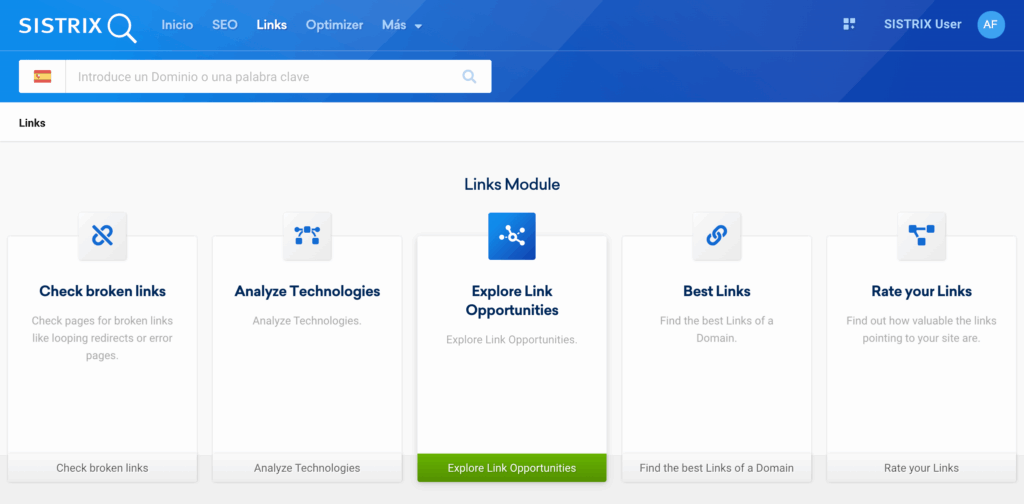
The first step to start getting ideas is to find out who links to our competitors but not to us. We'll find this in Links > Opportunities:
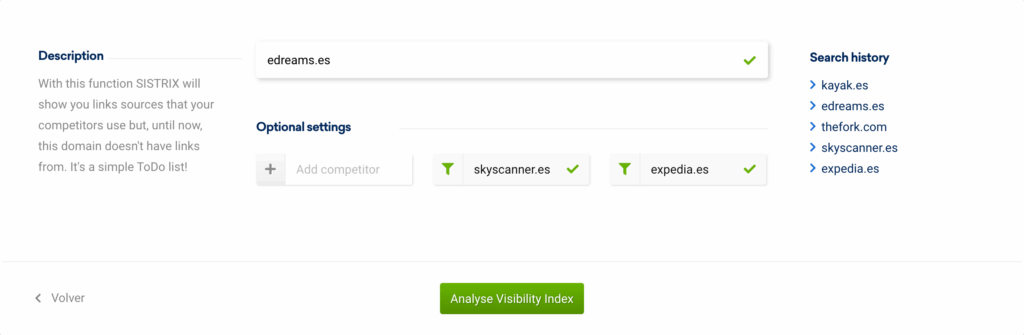
In this report, we'll see what kind of content our competitors created to get links from certain sites. For edreams.es, I'm going to add skyscanner.es and expedia.es:
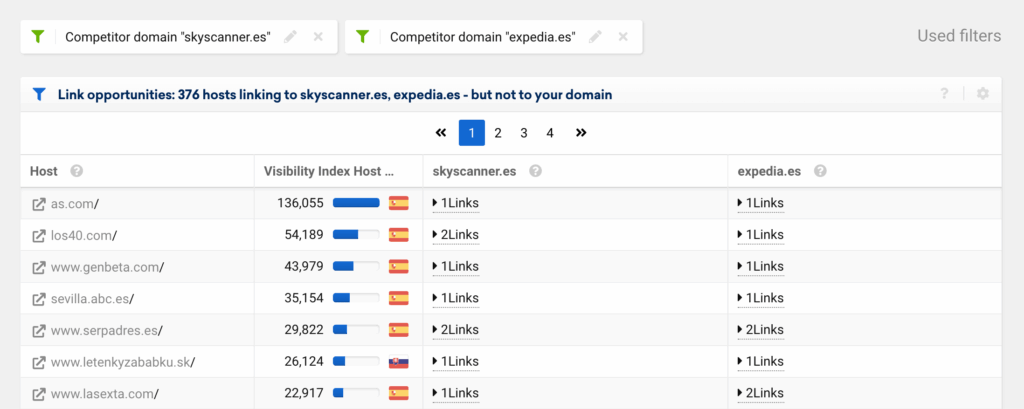
Domains that link to Skyscanner and Expedia but not to eDreams
SISTRIX saves you a lot of work because it sorts the results by domain visibility. By clicking on the links for the first result, as.com (the website of AS, a major Spanish sports newspaper), we'll find out the reason behind those links:
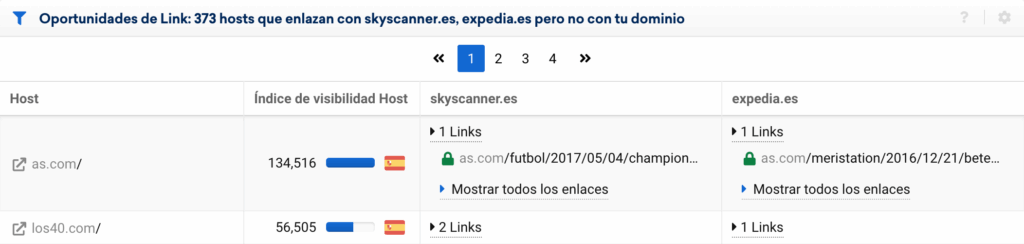
Links from as.com to Skyscanner and Expedia
For skyscanner.es, we see that they got a link in an article about how to travel cheaply to a Champions League final:
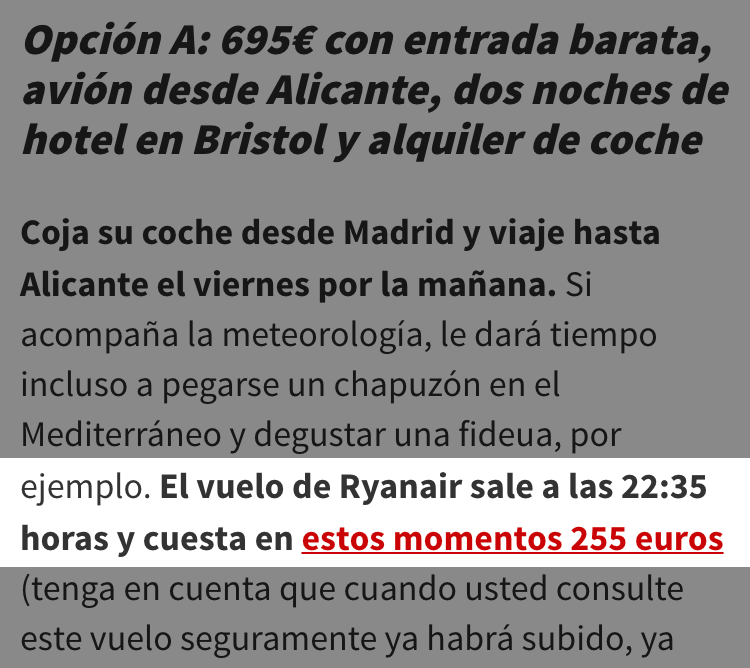
Link to Skyscanner in the as.com article “How do you travel to Cardiff to see the final without spending a fortune?”
Given the angle of the article, this link looks natural. It tips us off to a type of content we can deliberately push to get linked, because both the media and users care about it. We can create it ourselves and pitch it to the media in the weeks before big sporting events.
For its part, expedia.es got a link from an article that also looks natural, this one about how to save money when booking a hotel:
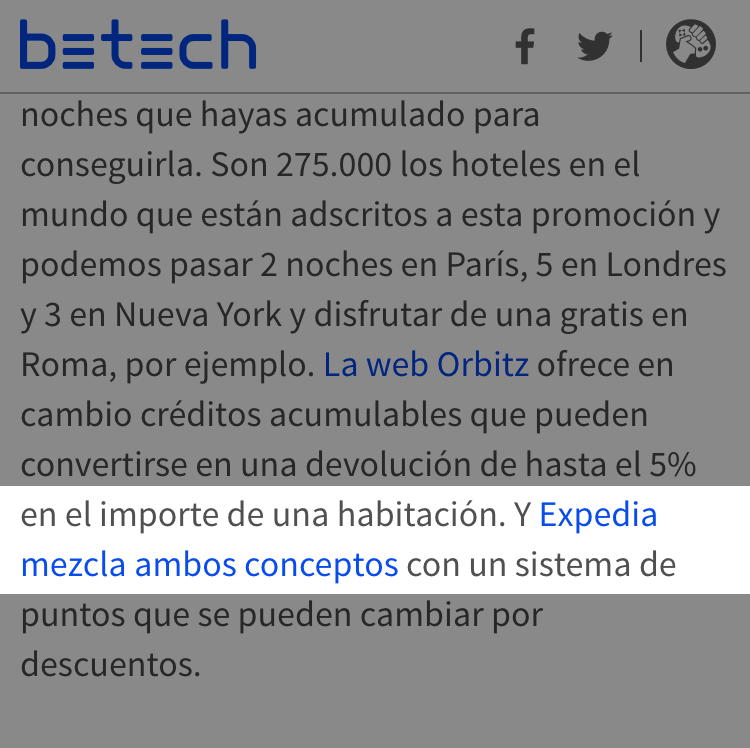
Link to Expedia in the as.com article “How to save money when booking a hotel”
In short, guides and tips always work. Travel guides in particular fit the kind of content edreams.es can create and offer to the media. That's 2 good ideas already 🙂
Let's keep digging! Now let's look at the links these competitors got from lasexta.com (the website of laSexta, a Spanish TV channel).
Looking at lasexta.com, we discover another type of content that always works: studies and infographics. We can see that skyscanner.es got a link from an article about the price of checking a bag:
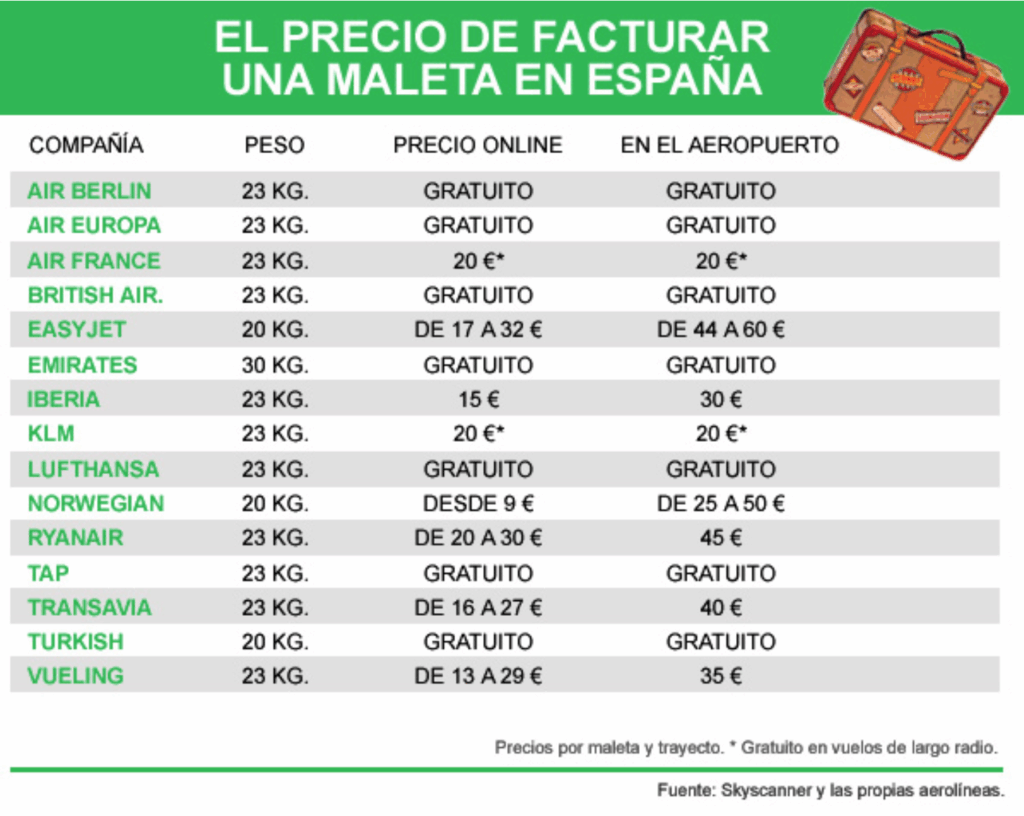
In another lasexta.com article, we also see that Expedia got a link thanks to an annual study called “Vacation Deprivation”, which earns Expedia links from countless media outlets every year. The study explains how vacations benefit people's health. It's an example of something that comes back every year and works, so why not do something similar? We're averaging an idea a minute here! I encourage you to keep going on your own and to share in the comments what else you've found that could be replicated and improved.
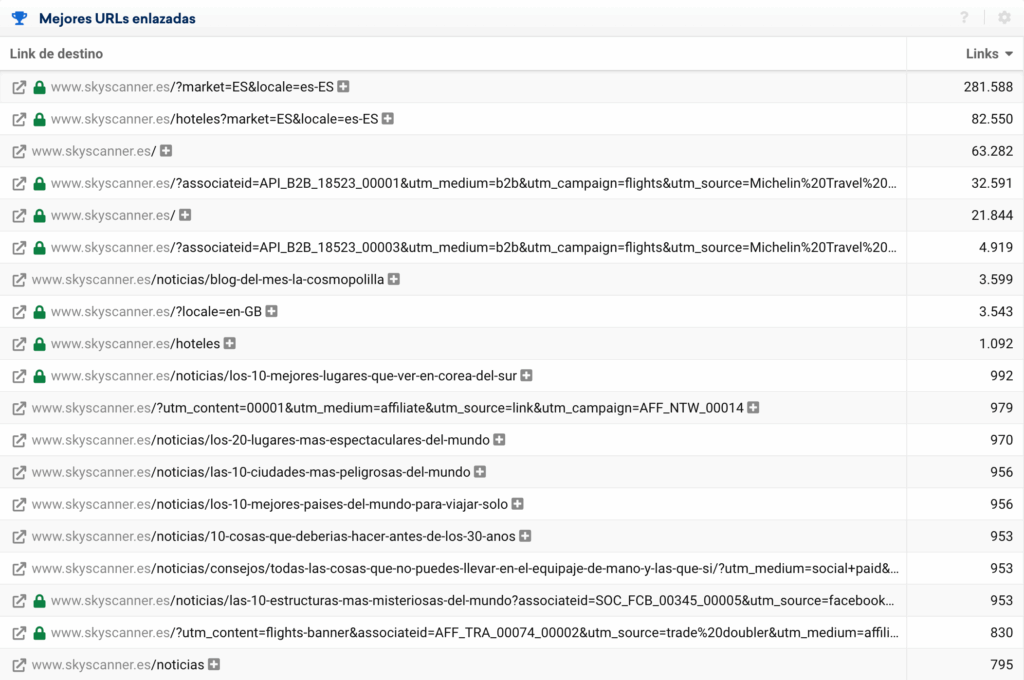
Another way to get winning ideas is to look at the competition's most linked pages. If it worked for them, why not for me?
We'll find these by adding a competitor in Links > Linked Pages. At first glance, there seems to be a recurring pattern: lists of X things and comparisons.
And once again, guides and tips show up too.
No matter which site you analyze, in the end the best links come from creating content that's valuable for users and interesting for content creators. The most common patterns, the ones that always work, are:
With SISTRIX, you'll be able to see exactly what kind of information, within these content formats, gets the most interest in your industry.
In this post I'm going to show you the hidden gems SISTRIX has for doing keyword research.
Read moreThe goal of this article is to help you understand and spot the link building problems a website may have. This tutorial is a working guide that explains how to do an inbound link analysis with SISTRIX, using edreams.es as an example. It's a simple backlink audit of what you can see from the outside, […]
Read more